Author: Ruben Steinfort
-
A New Vision on Lightweight Fiber-based building systems using CFW
The building industry’s emphasis on cost-driven standardization has led to more waste, prompting a need for resource-efficient methods. While coreless-filament winding (CFW) with materials like flax fibers show promise, a research gap is present. This study explores how computational design, coupled with coreless-filament winding, can create modular, demountable, and aesthetically valued fiber-based building systems. The…
-
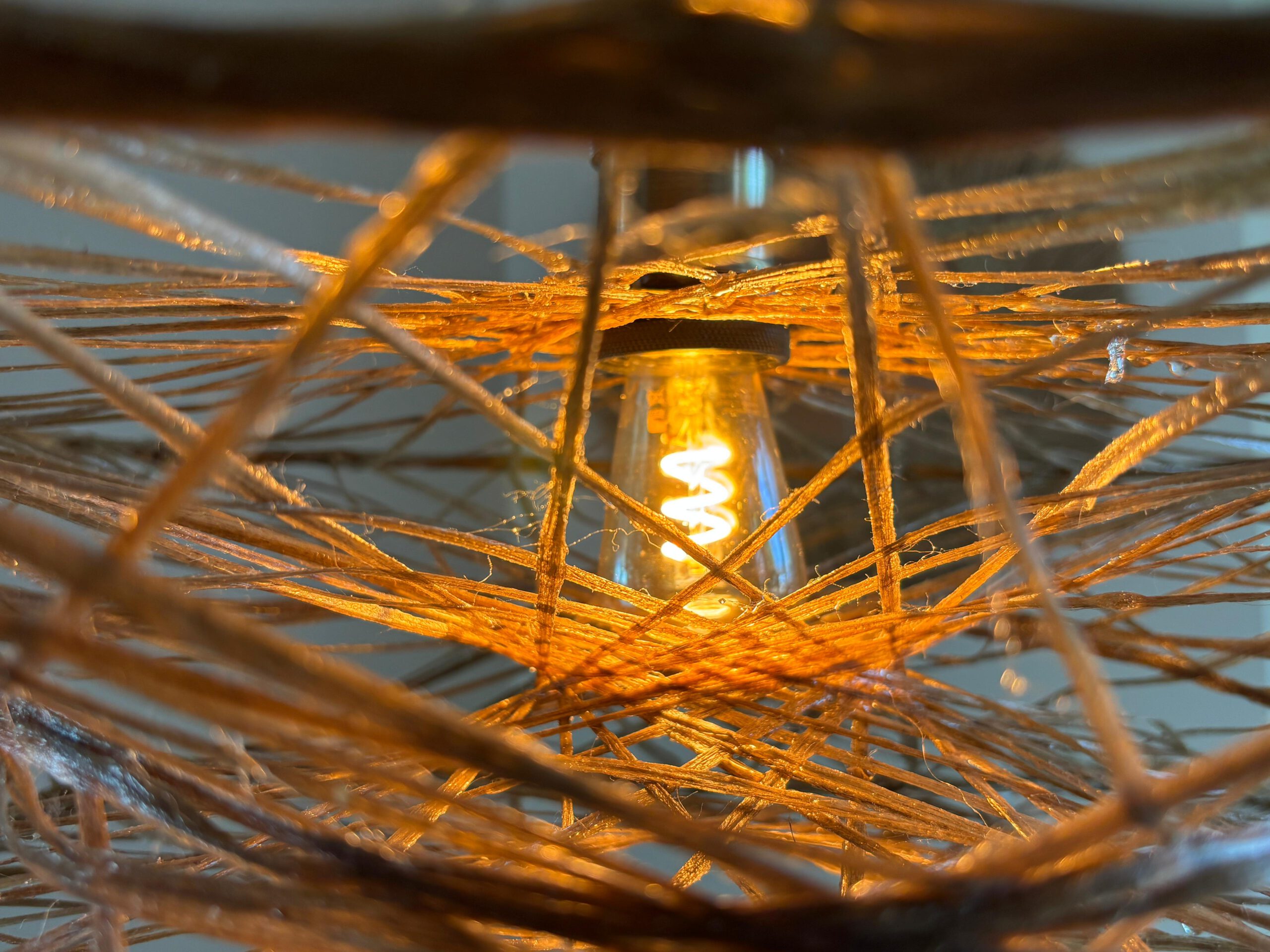
Woven Light
What began as a side exploration during my graduation research grew into a tactile investigation of scale, rhythm and light. Woven Light explores the poetic potential of hand-woven flax through minimal geometry and shadow play. Each lamp becomes a spatial artifact — merging structure with softness, light with intimacy. The design builds on the same…
-
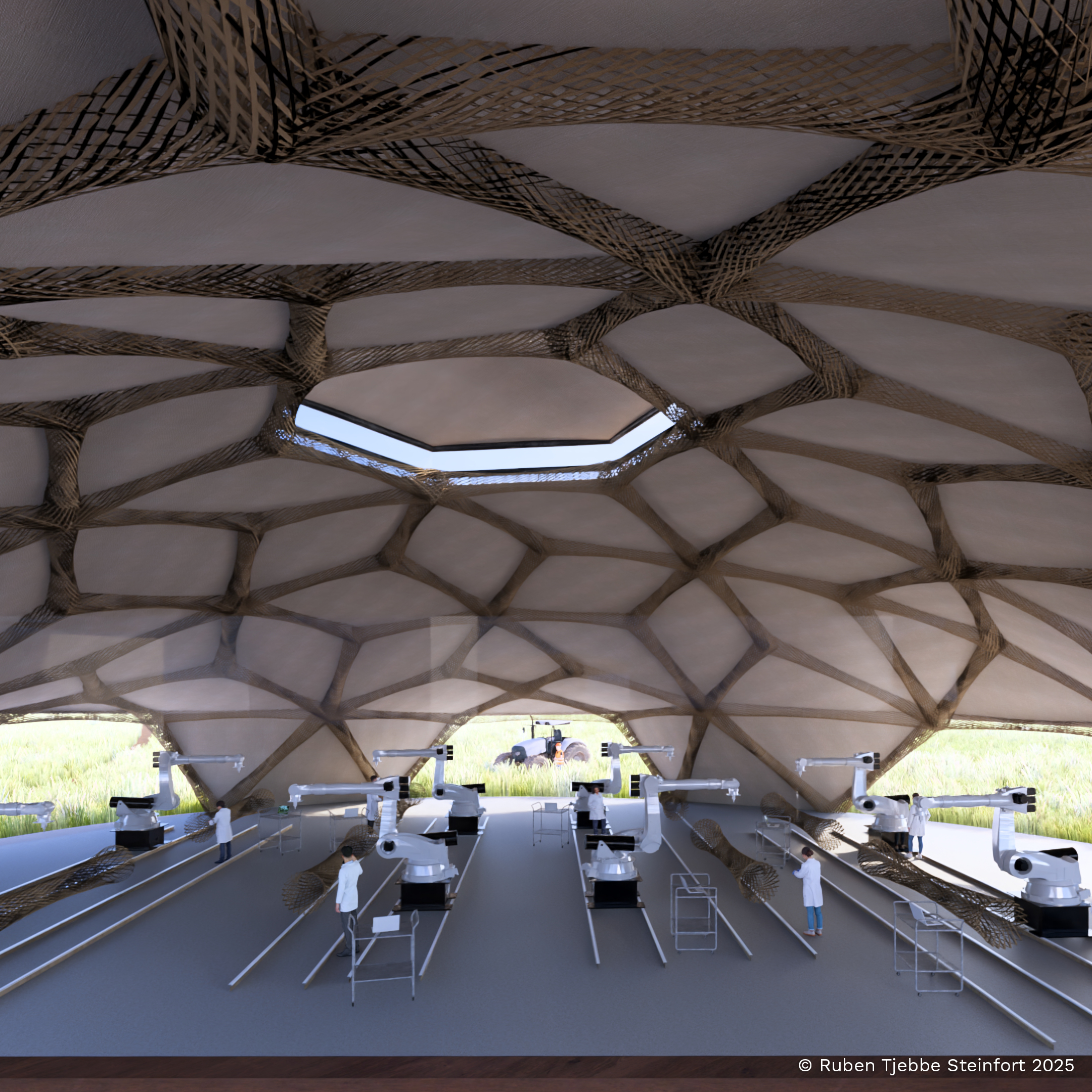
The Flax Weaving Hub
This project emerged from a fascination with fibers and fabrication — how could architecture embrace weaving not just as metaphor, but as method? Through the lens of ecological building, I envisioned a production hub where local agriculture, innovation, and spatial experience converge – a place where handcraft sensibilities meet digital precision.
-
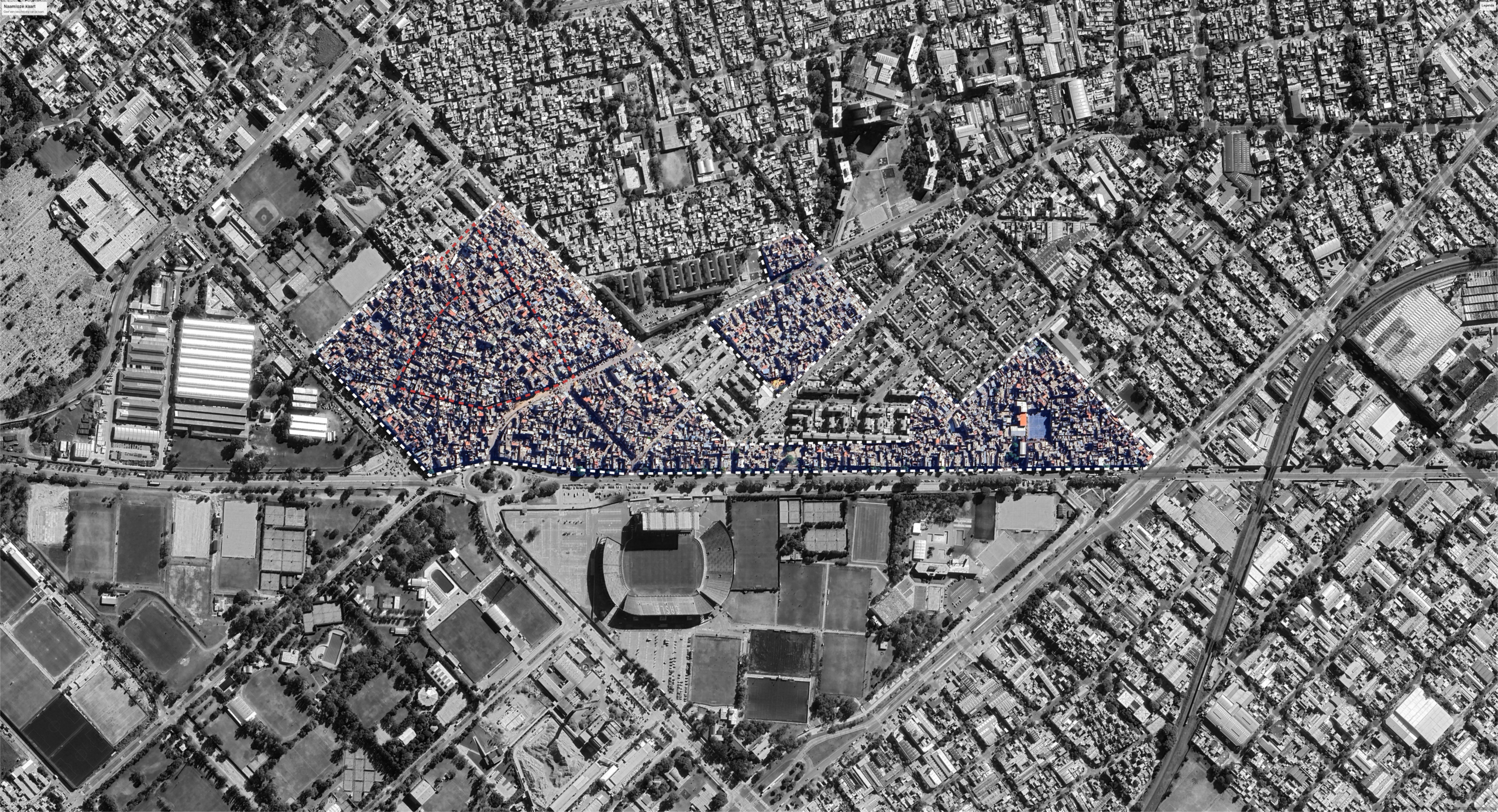
Global Housing
Problem Statement The residents of the informal settlement of Barrio Padre Rodolfo Ricciardelli in Buenos Aires, Argentina live in harsh conditions. These communities are neglected by the government of the formal city of Buenos Aires and are on their own. The population density has exponentially grown over the past decade, and thereby more and more…
-
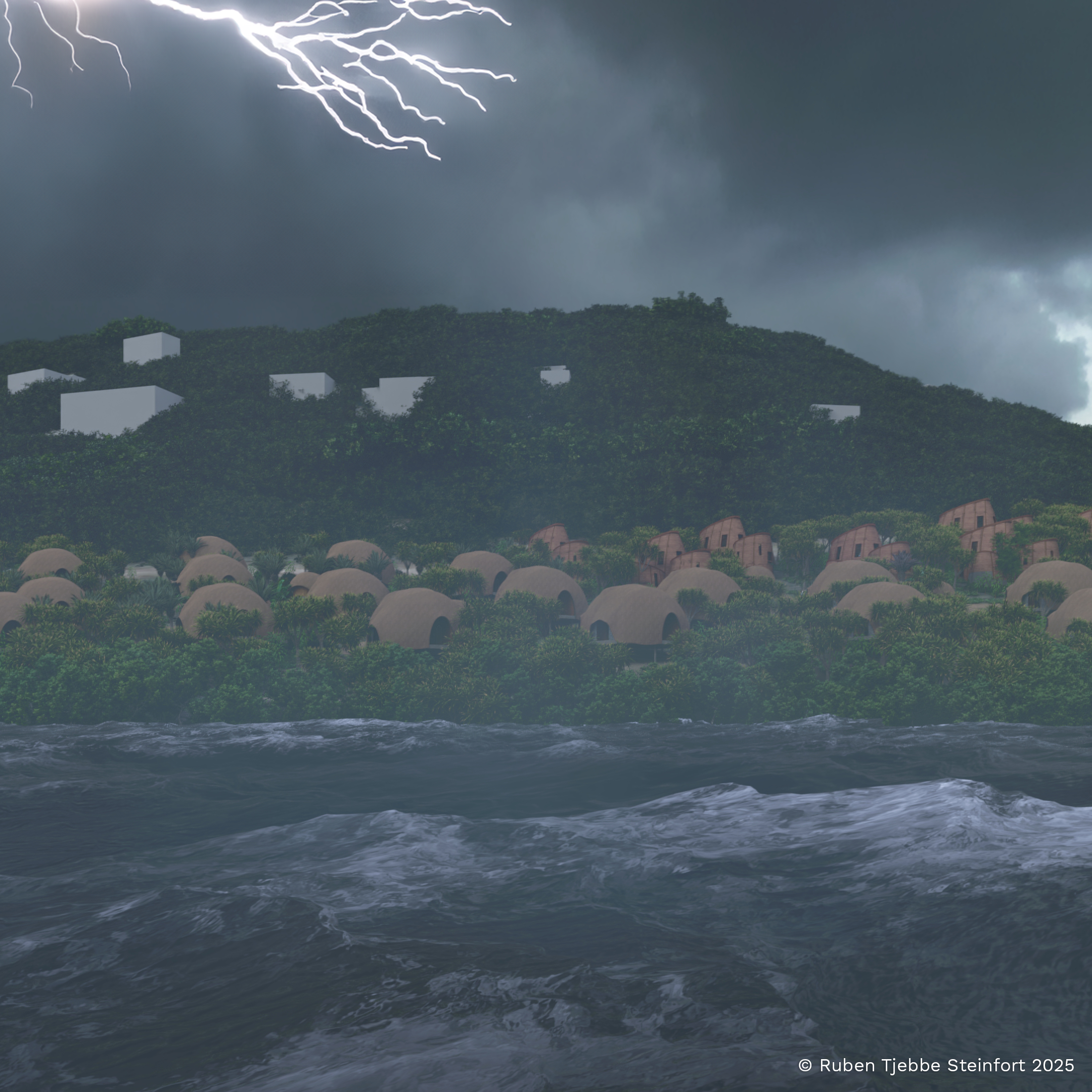
The Ecosphere Village
The Ecosphere Village emerged from a simple yet powerful question: what would nature do here? Amid the devastating aftermath of hurricanes and the growing urgency for resilient design in Sint Maarten, this project marked a turning point in my thinking – from shaping buildings to shaping systems. Drawing inspiration from nature at three biomimitec levels…
-
Participation in the Built Environment
The aim of this thesis research is to create clarity and structure for consumers interested in self-building regarding the many different forms of self-building used by the construction industry. Then, because of this growing interest among consumers, to provide them with a tool (a sample card) to help them make quicker and better choices about…
-
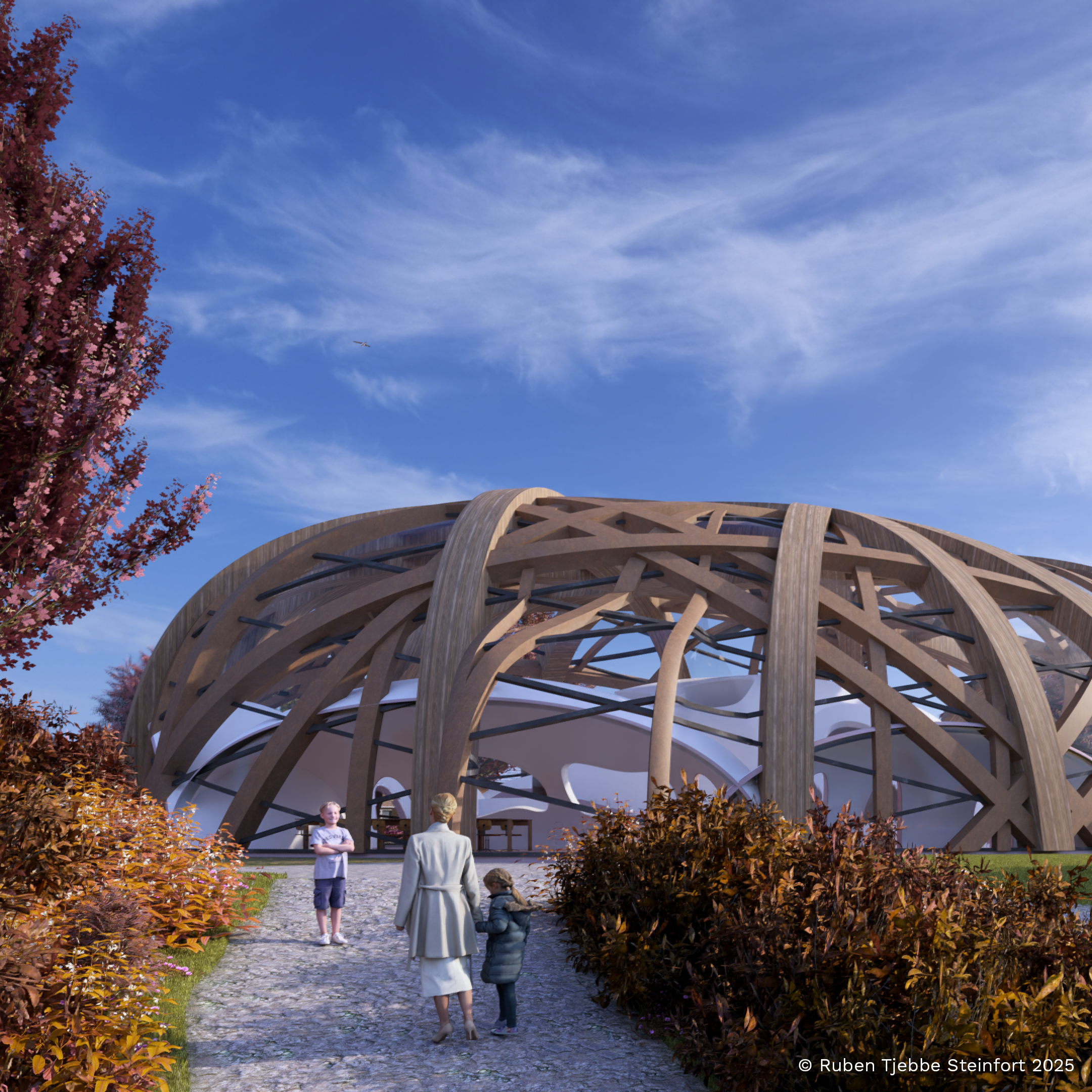
The Plant Cell
The Plant Cell marked my first real exploration into biomimetic architecture. Inspired by how plant cells organize, nourish, and communicate, I designed a school where educational spaces reflect the intelligence of cellular structures. It was here that my love for story-driven architecture began, and where I first discovered architecture’s power to make learning both tangible…