A New Vision on Lightweight Fiber-Based Building Systems Using Coreless Filament Winding.
How can we build more intelligenly, lighter, more adaptive, and with radically less material?
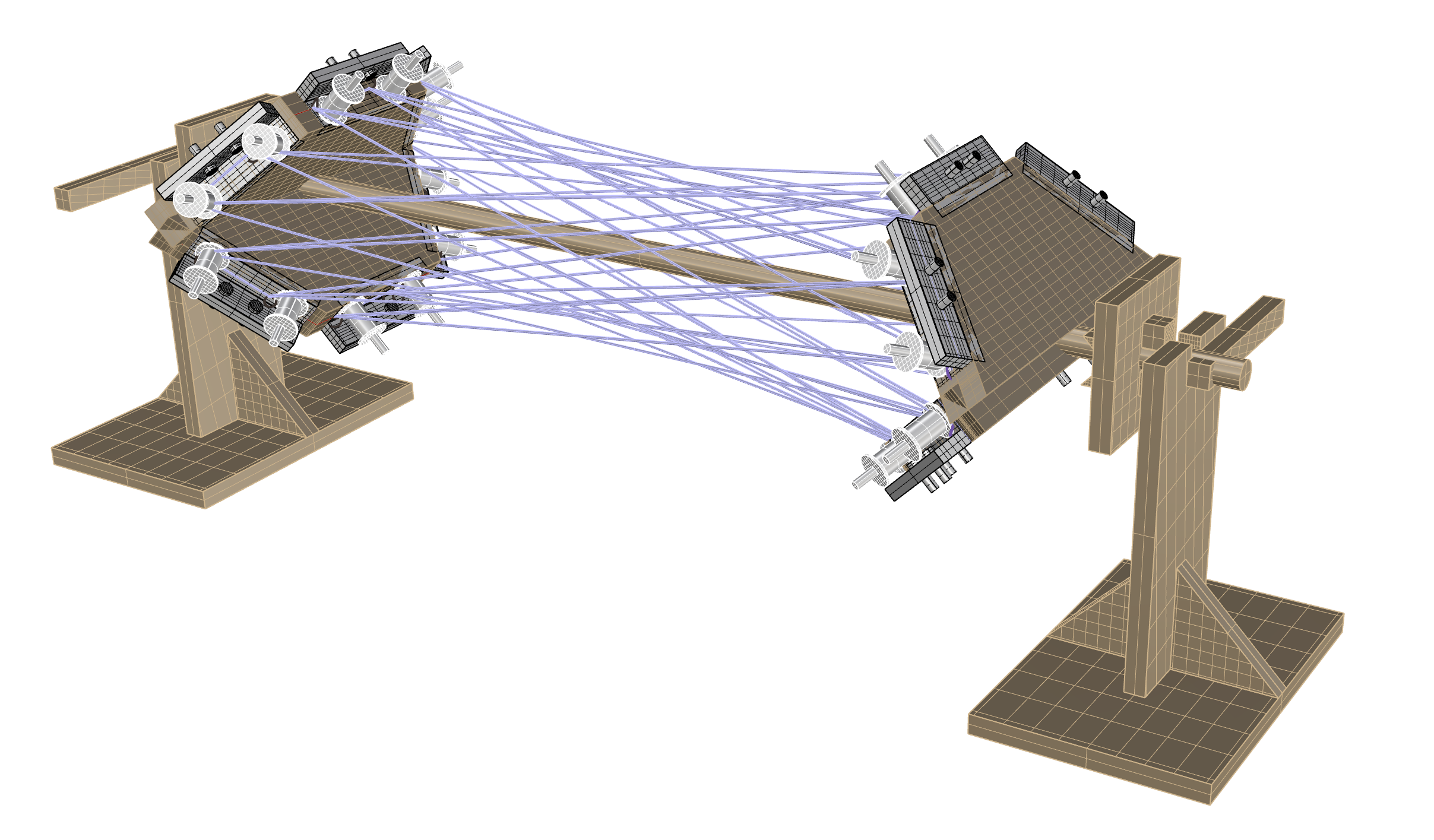
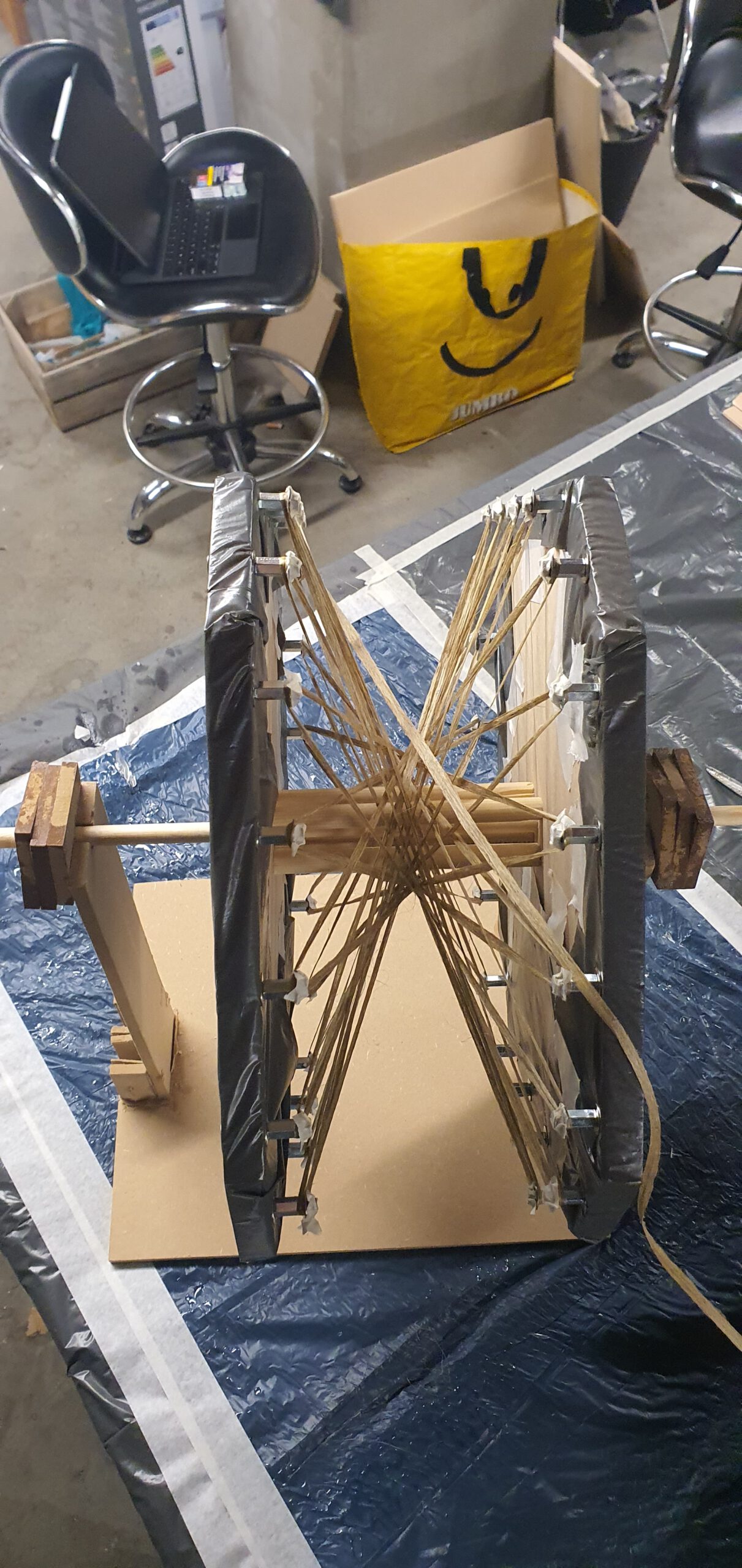
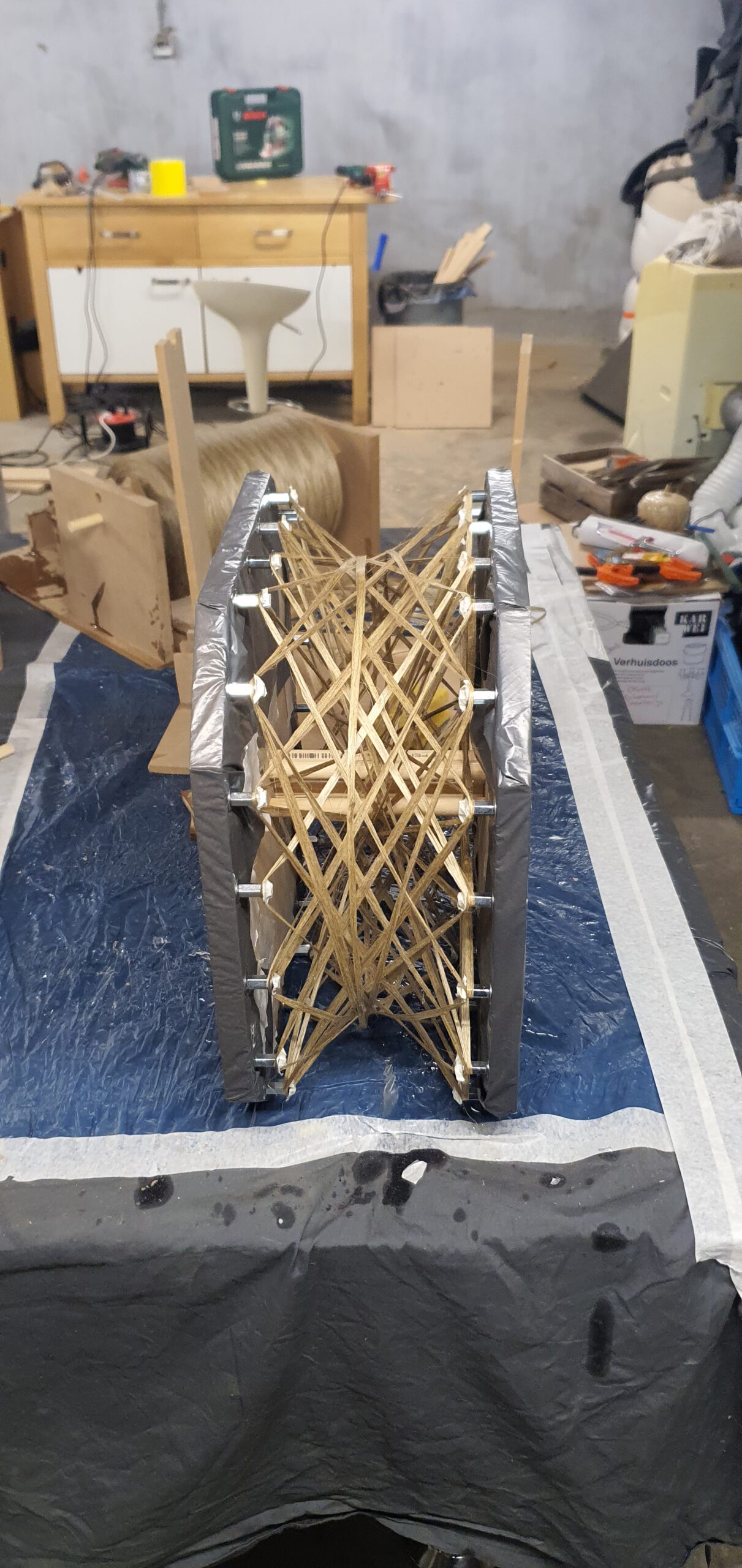
This question has shaped the foundation of my MSc graduation research at TU Delft, where I explored the architectural potential of coreless filament winding (CFW): a biomimicry-inspired fabrication technique that eliminates the need for moulds and minimizes material waste.
By experimenting with natural fibers like flax, I examined how these bio-based composites can form the basis for modular, demountable, and structurally optimized building systems.
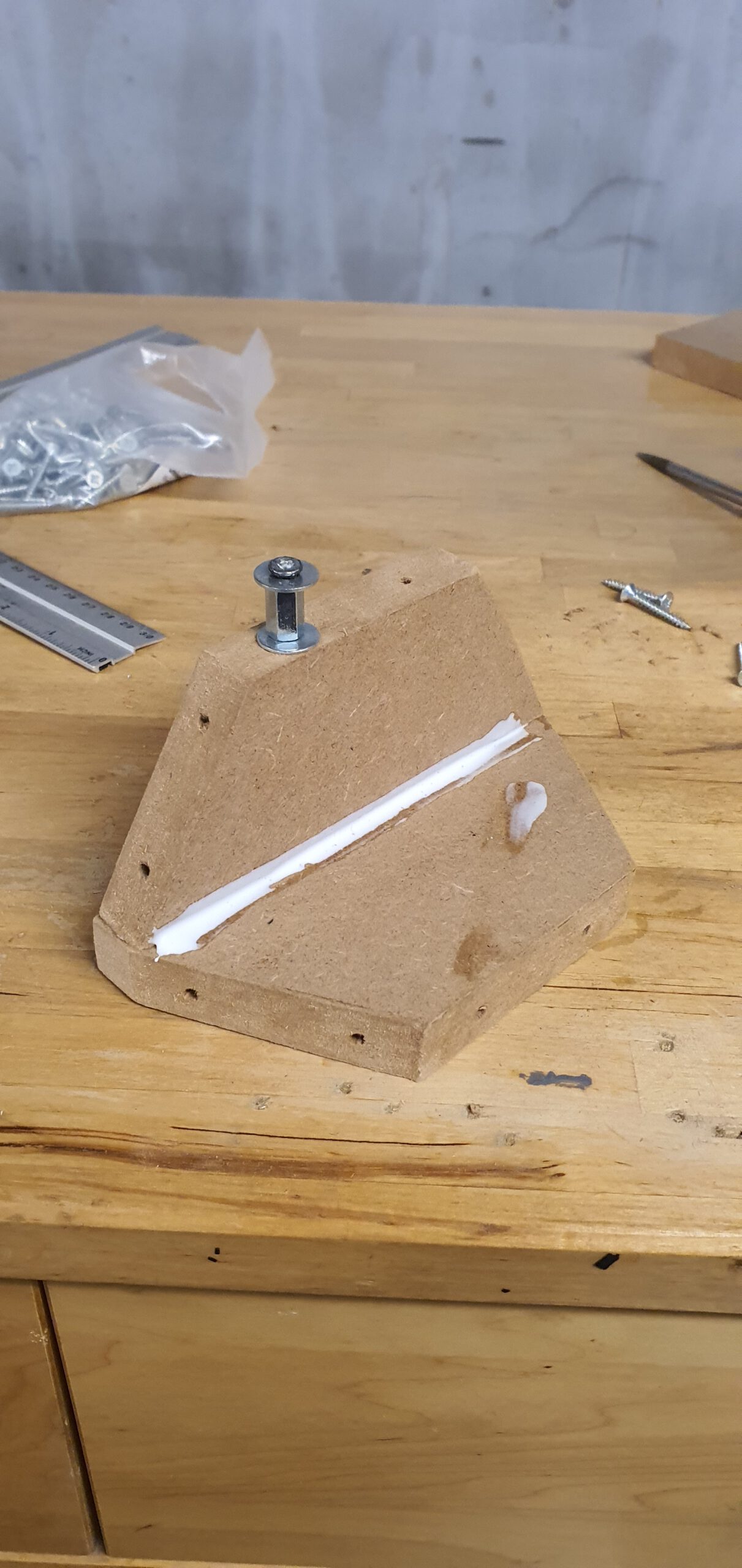
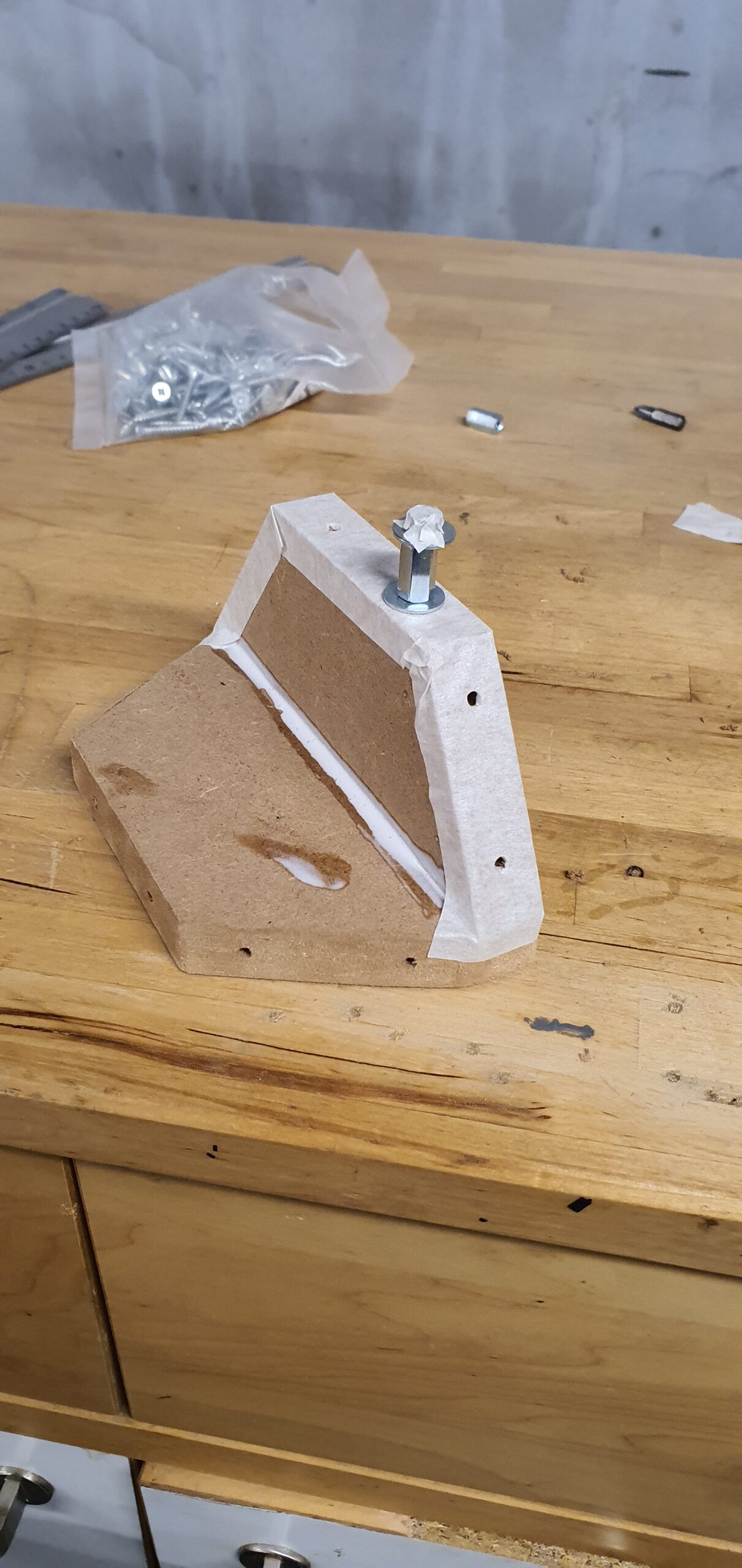
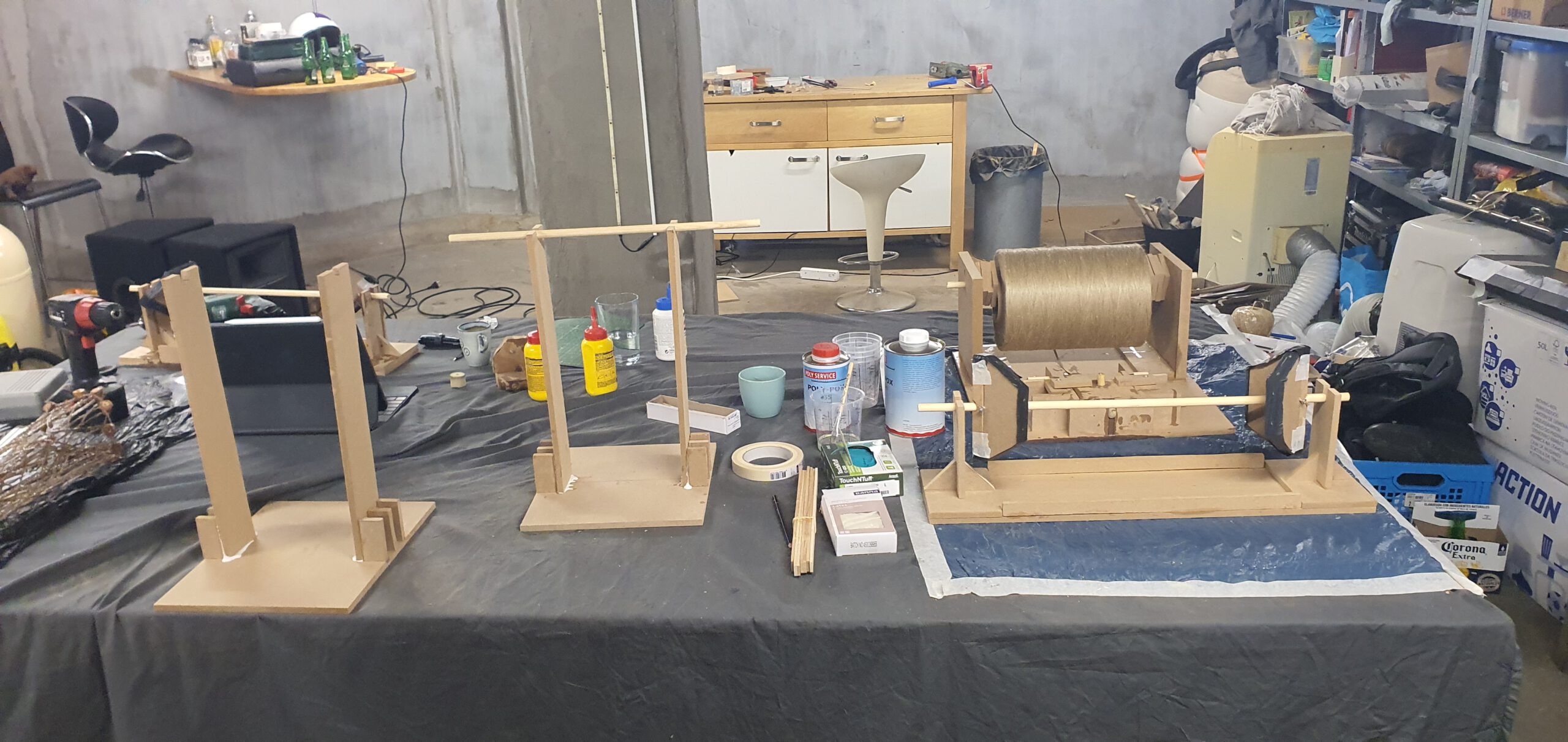
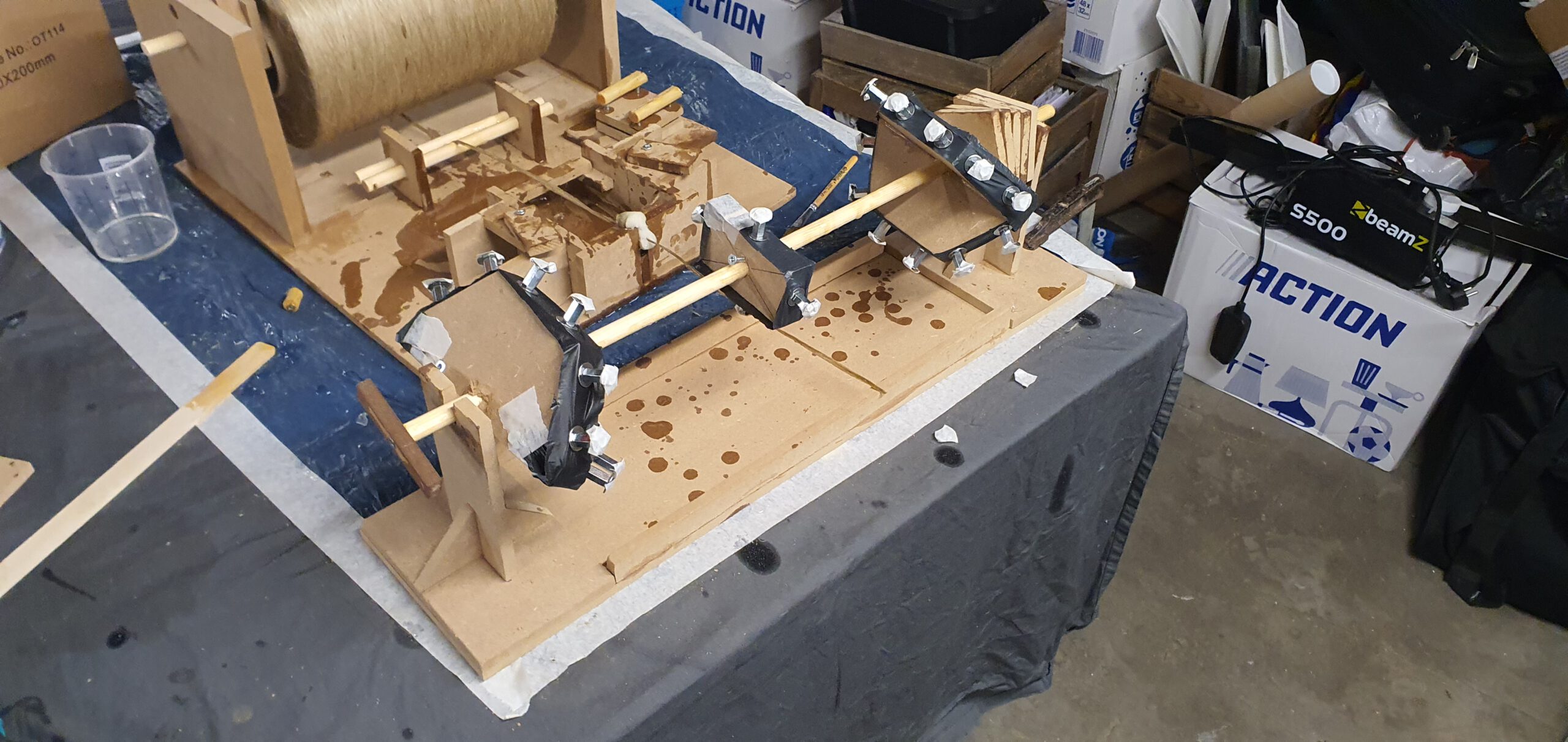
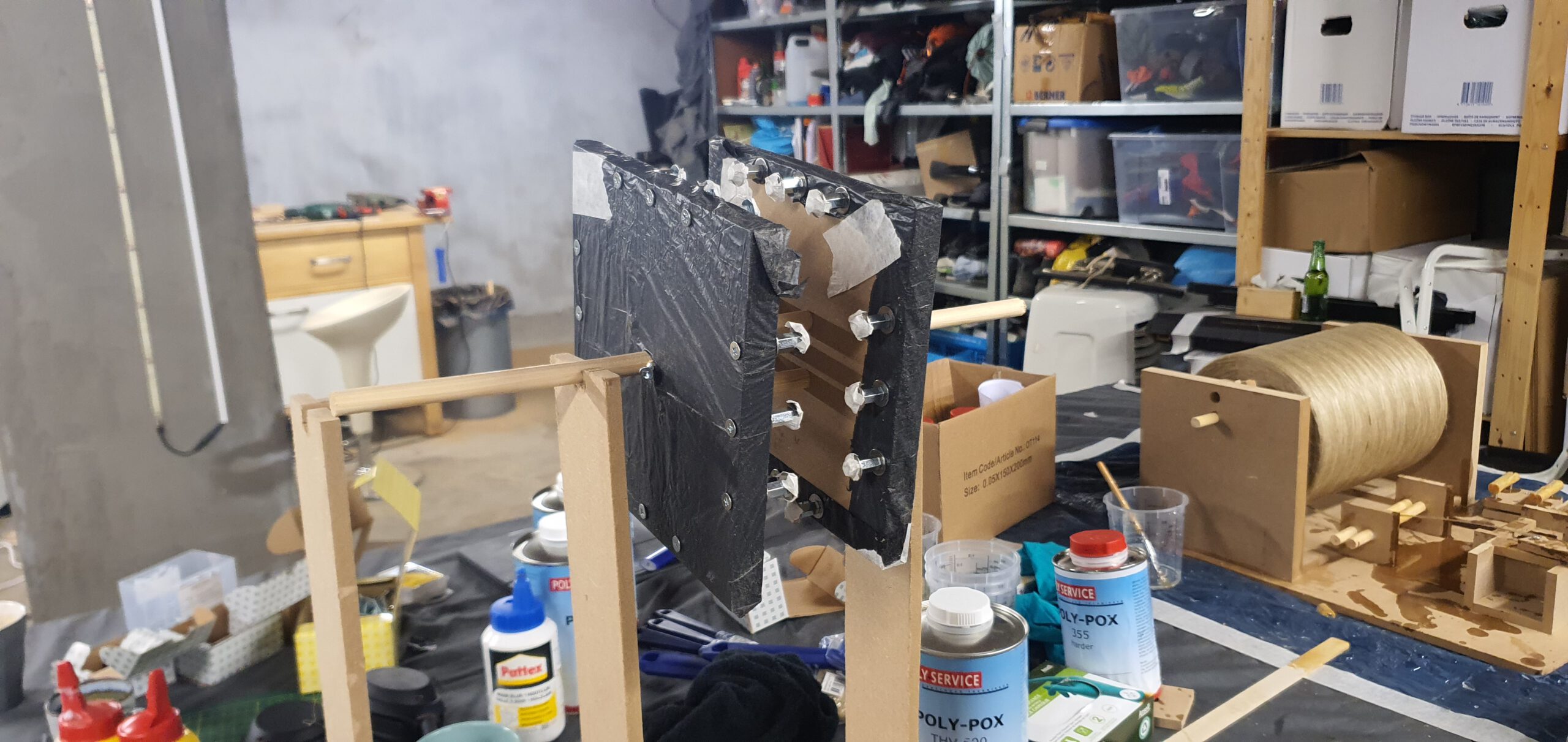
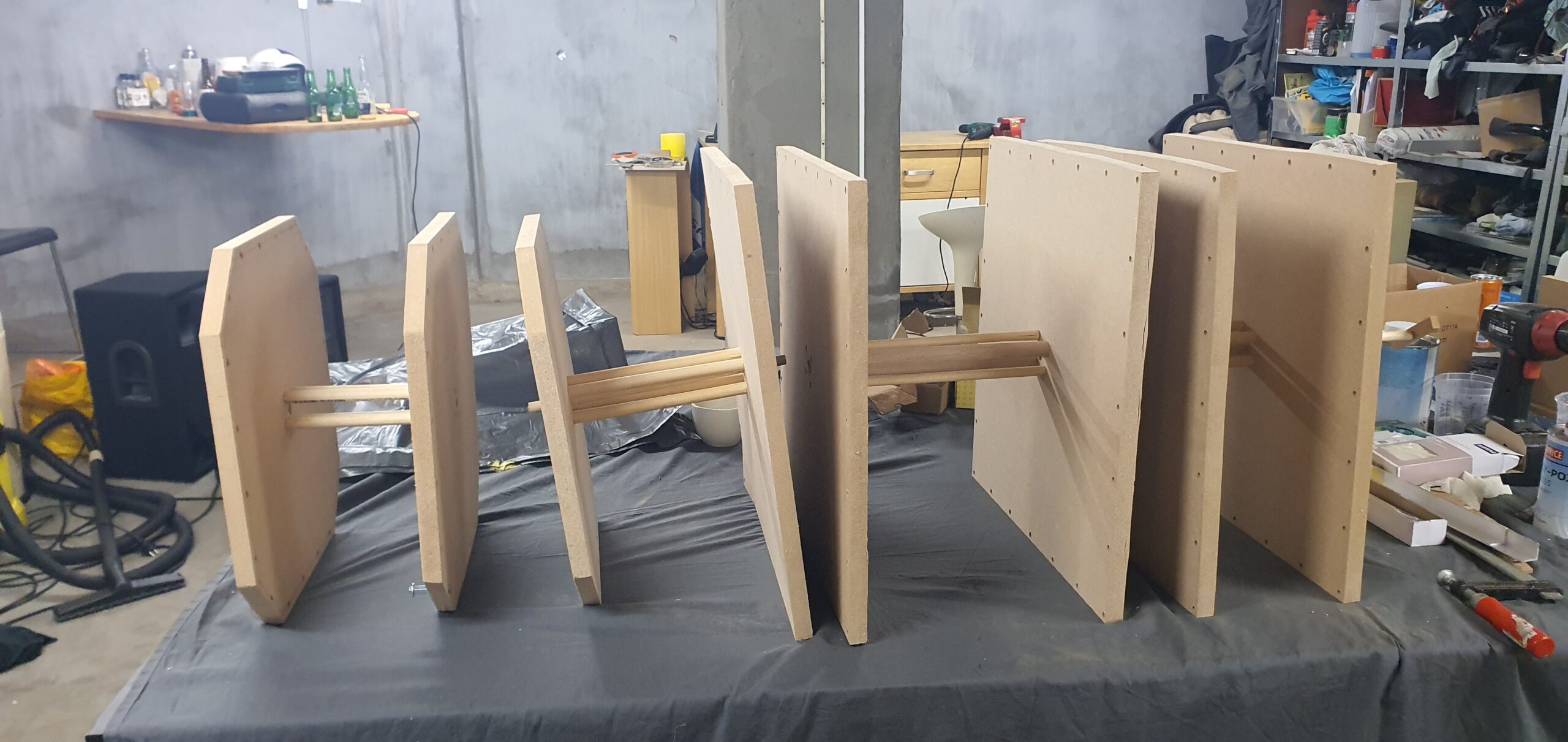
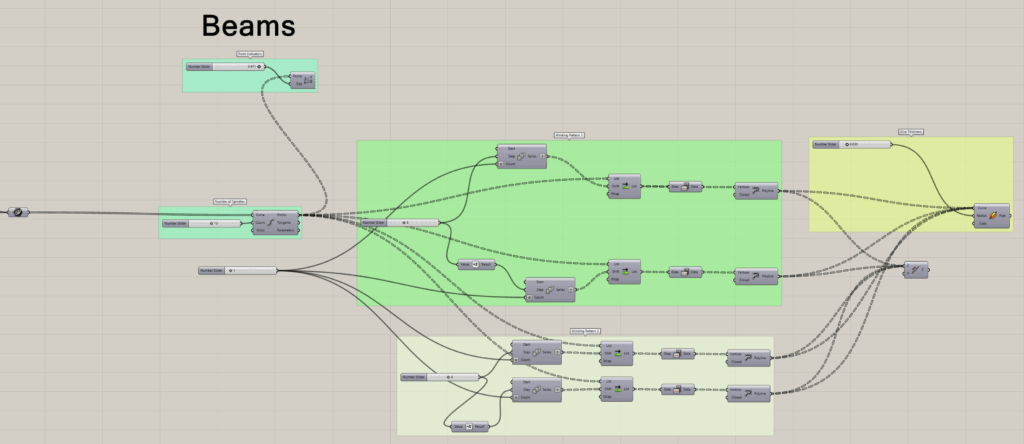
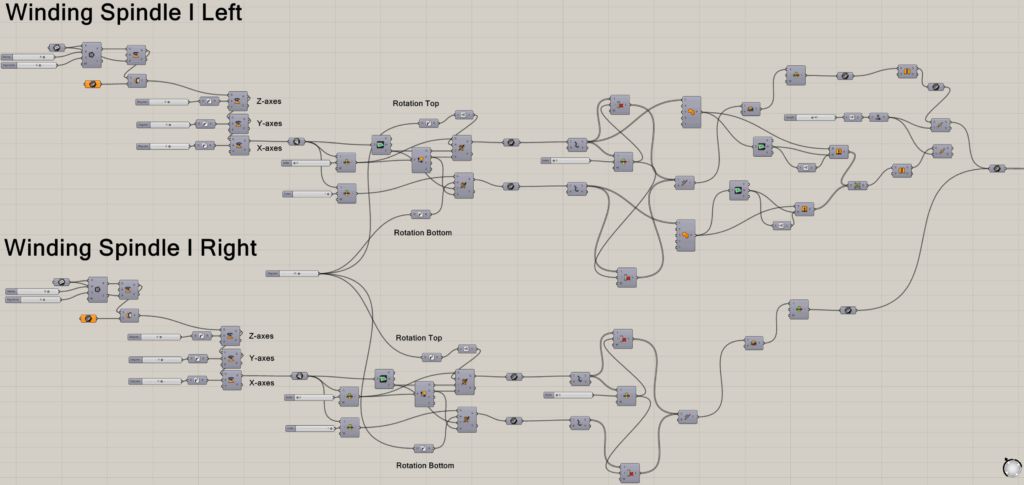
From Grasshopper-driven simulations to 1:5 scale physical prototypes, the project moves fluidly between digital precision and tactile experimentation.
Through this research, I not only studied performance indicators and robotic fabrication methods but also engaged with material behavior, modular logic, and structural biomimicry, from shells to dome typologies.
This work aims to bridge innovation, sustainability, and poetic material expression, imagining a construc-tion culture that is lighter on the planet and richer in design logic.
Download the full research paper & appendices below.
Research
Prototyping.
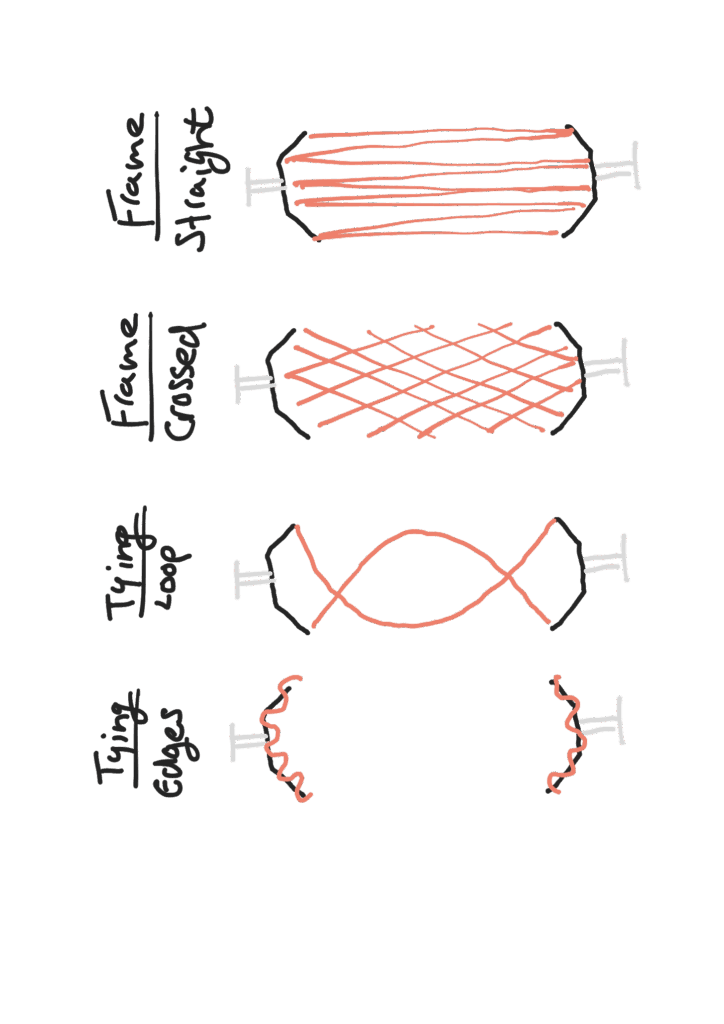
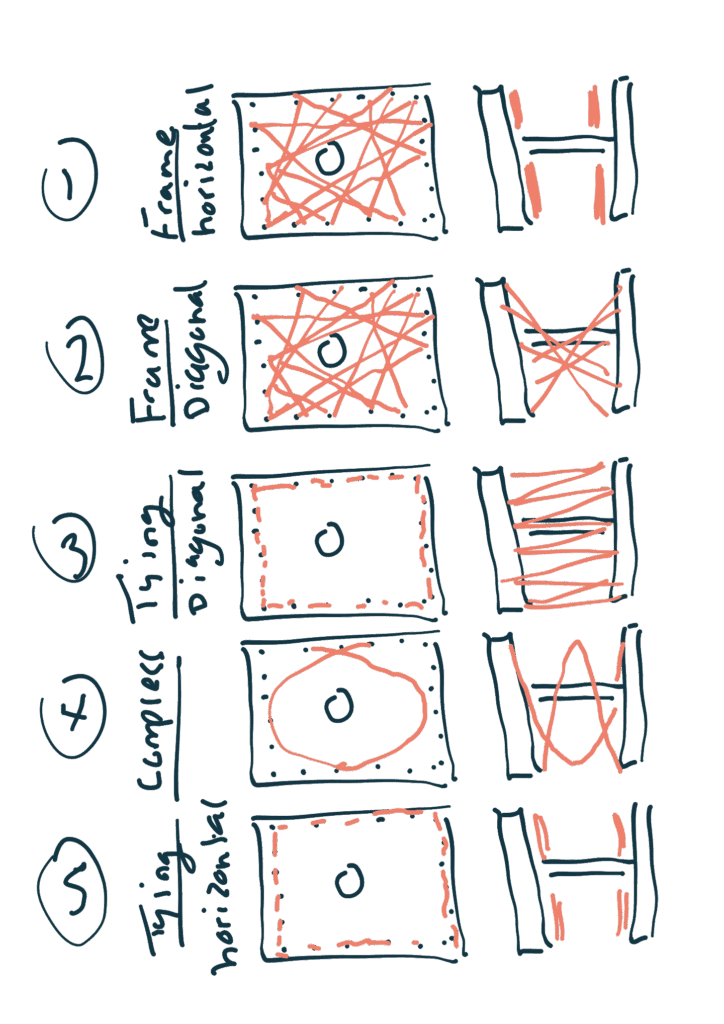
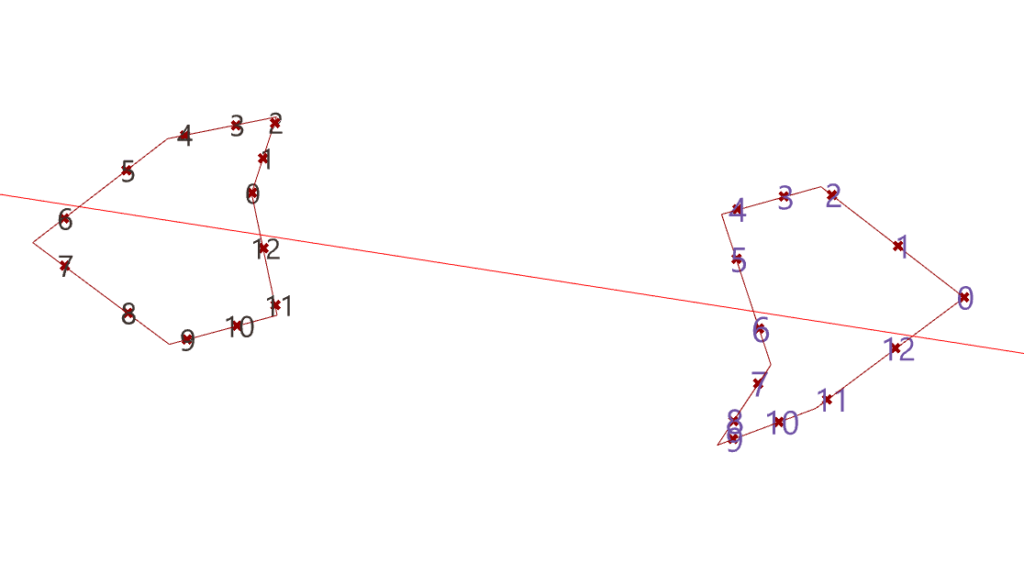
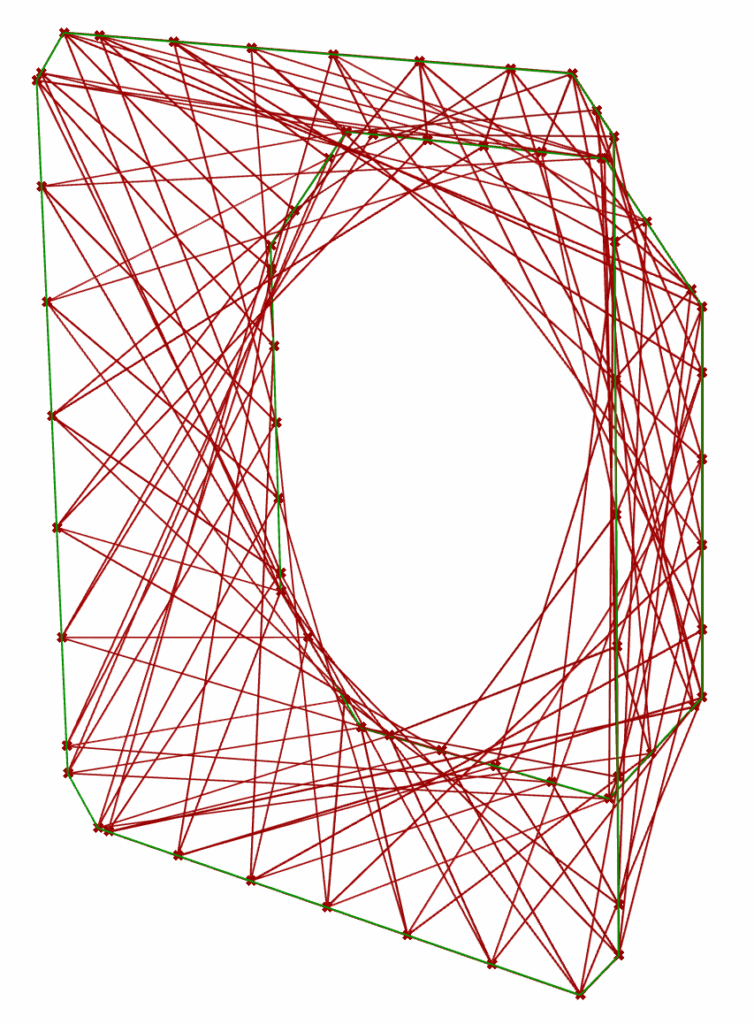
It all starts off with a sketch. Learned through reference studies the winding syntax is the most important in creating these structures. It determines the fiber placement and therefore the first step in forming
the fiber.
Nature, in the common sense, refers to essences unchanged by man; space, the air, the river, the leaf. Art is applied to the mixture of his will with the same things, as in a house, a canal, a statue, a picture.
But his operations taken together are so insignificant, a little chipping, baking, patching, and washing, that in an impression so grand as that of the world on the human mind, they do not vary the result.